
Every plant has a unique set of operating conditions, budget, and throughput rate requirements. Remcon can develop a customized repair package to suit your individual needs. From replacing single components of a conveyor to complete refurbishing of a system, we will work with you to get your equipment running quickly and cost effectively.
Consider Refurbishing Before Buying All New Equipment
If you have old conveyors that you are thinking of discarding and replacing with new equipment, you might want to consider refurbishing the old ones first. A well designed conveyor can often be refurbished for a much lower cost than designing, building, shipping, and installing a new conveyor.
Steel does not "go bad" or deteriorate with age. Steel can be worn thin from moving parts, eaten away by rust, bent, or torn; but the actual steel material is the same as it was when it was original. Steel is also relatively easy to straighten, and damaged sections are relatively easy to replace.
Contact us to discuss the condition of your equipment and the possibility of reusing it before you buy a new conveyor. We can work with you to determine if this is a cost-effective path to consider, and will help you get the most for your money.
Discuss the condition of your equipment →Refurbishing Provides Opportunity for Upgrades
Choosing to refurbish can not only restore non-functioning equipment back to its original working state, it can also allow the equipment to be upgraded for a worthwhile price. Components of the equipment can be upgraded to high performance parts, problems that have been discovered during the operation of the machinery can be corrected at the source, and flaws in the original design can be fixed to make the machine function better.
Utilizing New Technology
The working components are often the only thing in need of replacing on an older machine, and many of these parts have significantly increased in quality in the last 10–20 years. Remcon can upgrade:
- Motors — efficiency upgrades
- Variable Frequency Drives (VFD) — a VFD can be a very worthwhile
component to add to a conveyor, and is easy to add on to an existing conveyor for:
- Soft start — decreases wear and tear on the motor and other drive parts
- Jam protection — replaces old technology (shear pins, clutches, etc.) and works better
- Other programmable settings for speed, acceleration & deceleration, etc.
- Gear reducers
- Sprockets
- Bearings — better quality, longer lasting
- Conveyor belts — longer lasting, more durable options may be available
- Chain (for chain belts)
Improvements in Operational Cleanliness
Examples include:
- Improved belt cleat and sidewall technology
- Better design of conveyors to reduce or eliminate leaking at the tail end of a conveyor
- Better transitions to reduce lost material at these locations
- Return belt chutes that are self-cleaning, and are safer (guarding against pinch points, falling objects, and overhead belt breakage)
Correcting the Source of Problems
Instead of just fixing worn or damaged areas, we usually try to determine the source of the damage and make changes in the design to prevent such wear or damage in the future. We look for these types of problems throughout the entire repair process, from the initial assessment to completing the repairs on-site. Any additional problems found by our crew on-site can usually be fixed with little extra time or expense.
Improvements in Maintenance & Cleaning Access
Examples include:
- Improved belt cleat and sidewall technology
- Better design of conveyors to reduce or eliminate leaking at the tail end of a conveyor
- Better transitions to reduce lost material at these locations
Improving Poorly Designed Features
Many times while working on existing equipment we discover problems in the design, fabrication, or installation of a machine which have led to problems during the regular operation of that machine. If we become aware of these design problems during the planning phase of the repair process, we will discuss adding or changing features of a conveyor, and the advantages, with our customers. If these design flaws are not discovered until a crew is on-site to refurbish the machinery, they can often be easily fixed during the refurbishing process without adding significant time or cost to the project.
Examples of this have included:
- Changing a conveyor bed from a solid bed style to a bed slat style to eliminate dirt buildup underneath the conveyor belt
- Remounting a gear reducer to allow better alignment of the drive chain, increasing the life of all the transmission parts involved
- Eliminating catch-points to reduce or eliminate material build-up
- Upgrading or adding safety equipment (e.g. adding guard doors to dangerous areas, upgrading guardrail to meet codes, etc.)
Improvements in Safety
- Improving guard design to make guards easier to keep closed, or close automatically
- Adding dust controls
Past Refurbishment Projects
Project 1 — In-Ground Baler Feed Conveyor Rebuild
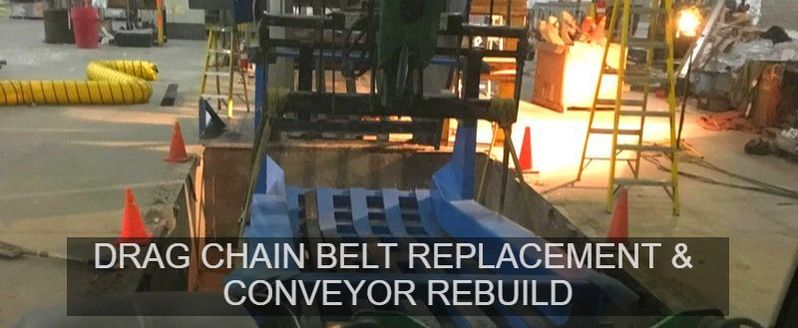
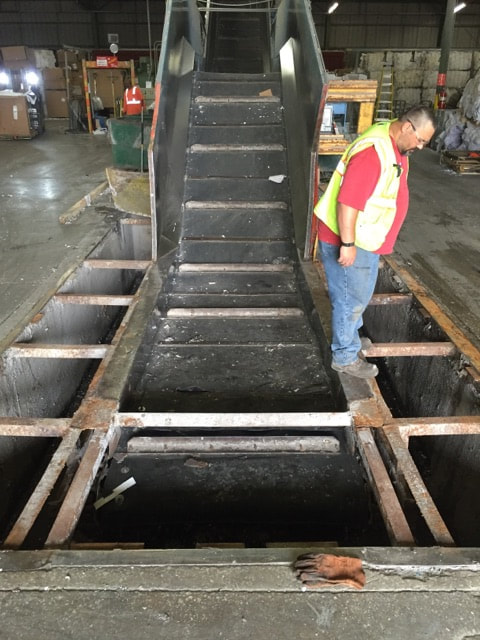
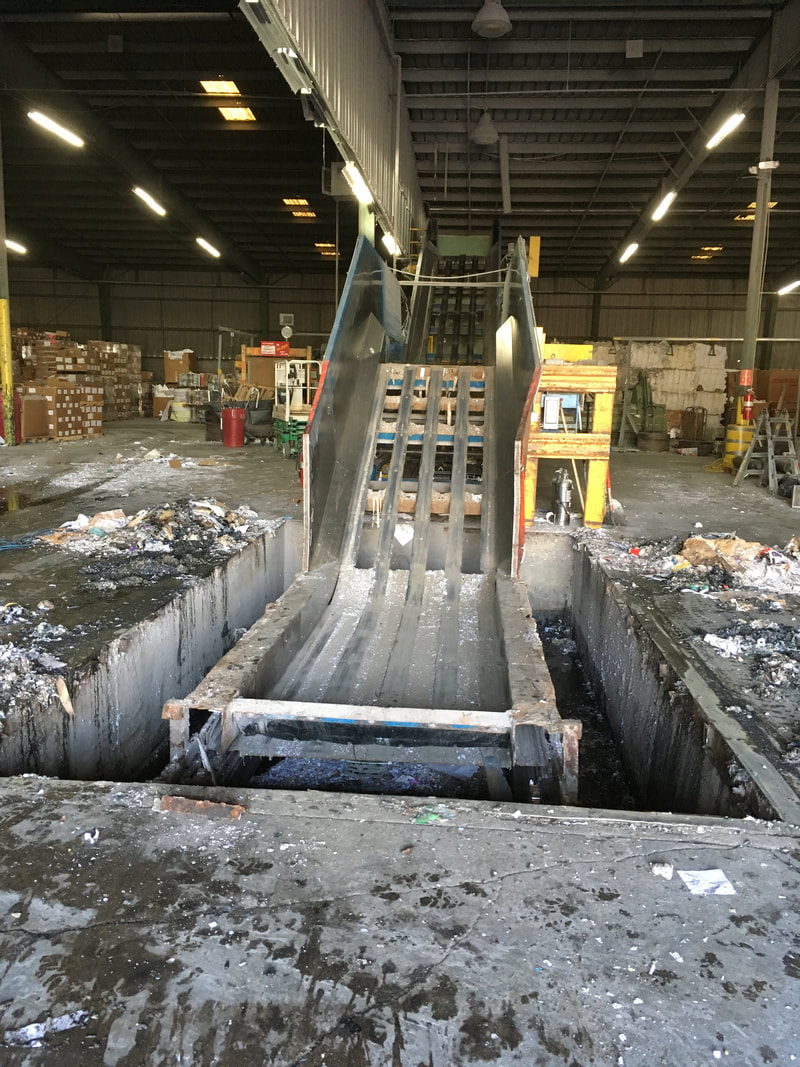
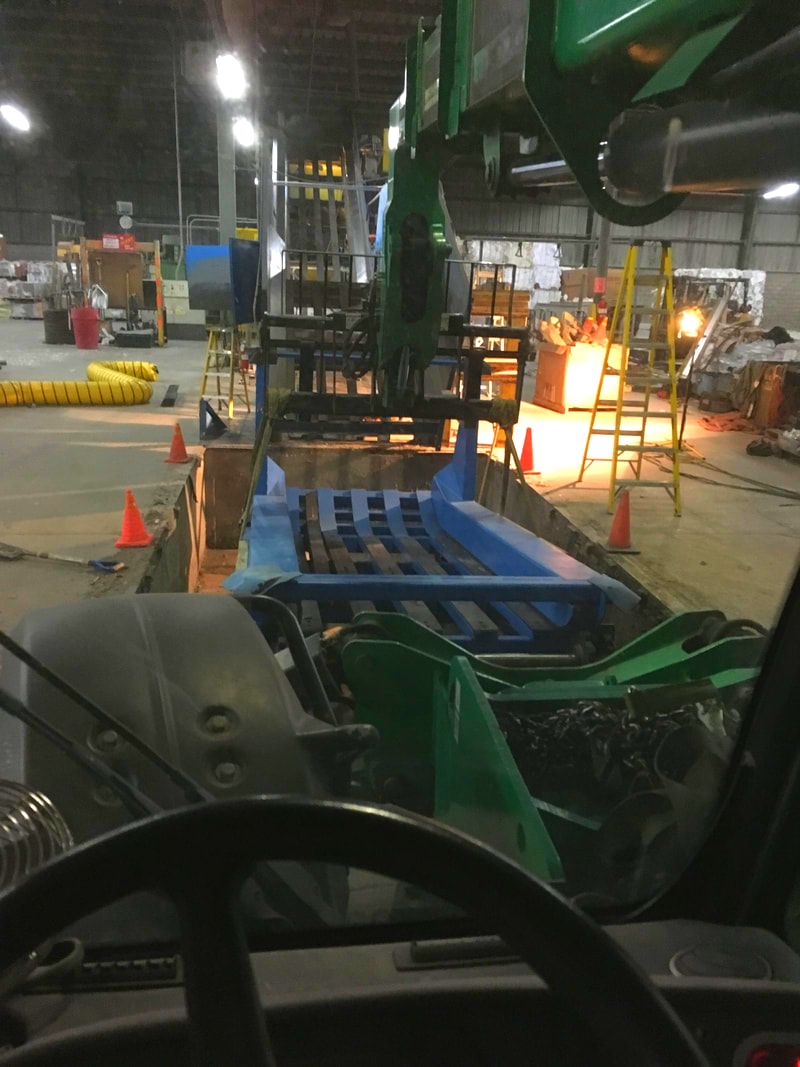
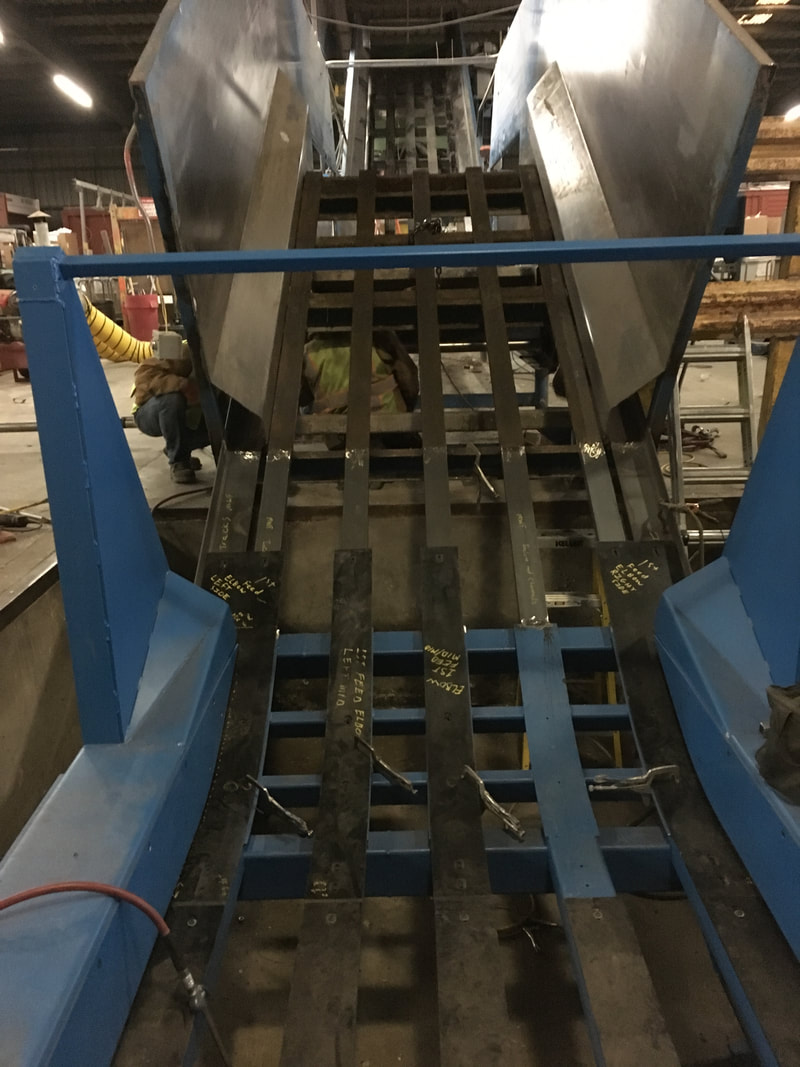
The photos below show the first conveyor of a two-conveyor baler feed line. Remcon was hired to build and install replacement combination drag chain and rubber belts for both conveyors. After looking at customer photos of the condition of the conveyors, Remcon saw that the in-ground portion of the first conveyor was badly rusted and worn due to being underwater during much of its use. Instead of replacing the whole conveyor, Remcon fabricated a new in-ground section in their shop ahead of time. They shipped this new section of conveyor to the job site and fitted it to the above-ground portion of the conveyor on-site during the rest of the work involved in replacing the belts, drive components, and wear parts on both conveyors. Remcon also supplied and installed new, heavier-duty pit plates and supports around the in-ground portion of the conveyor.
Project 2 — Drag Chain Conveyor Reconfigured & Lengthened (2001)
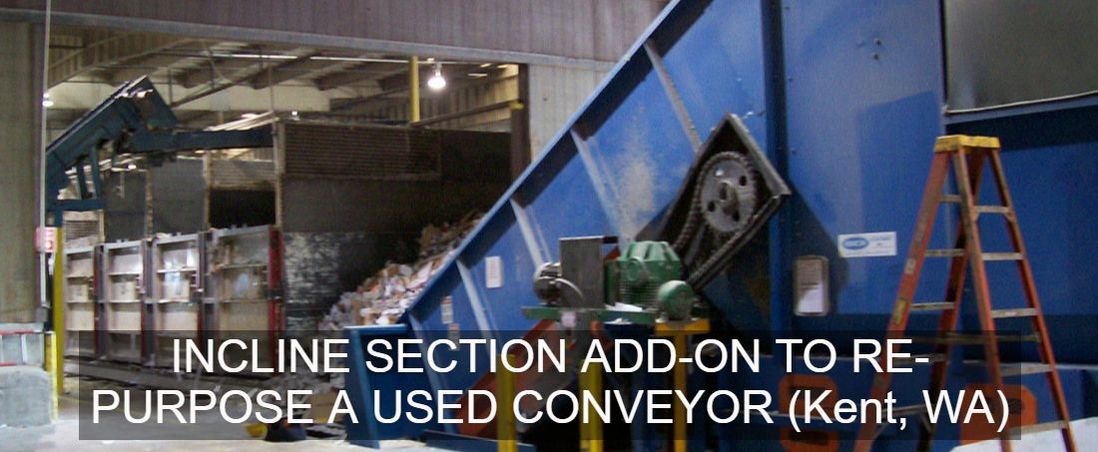
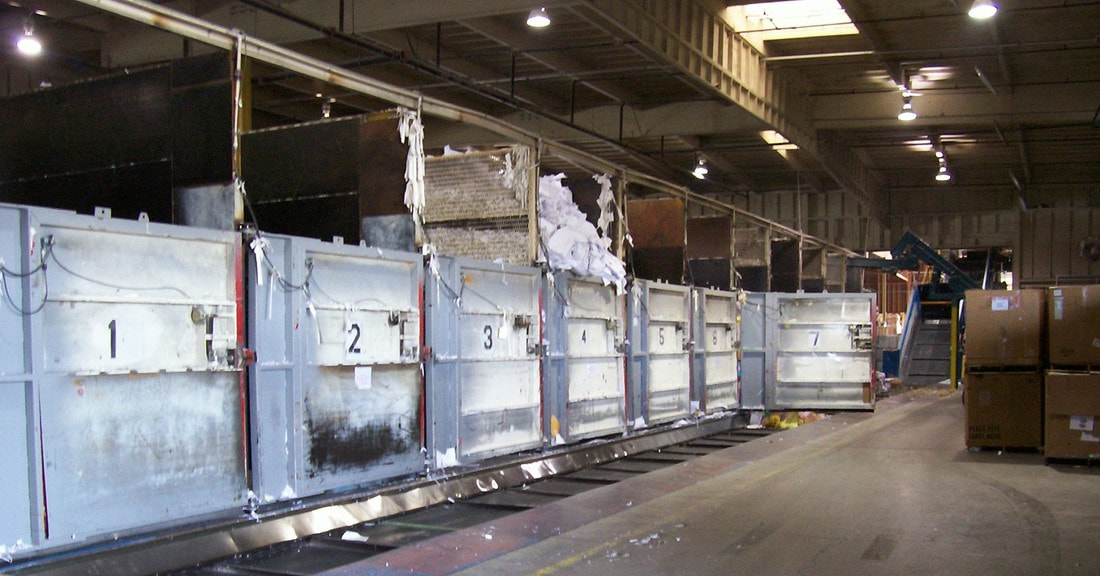
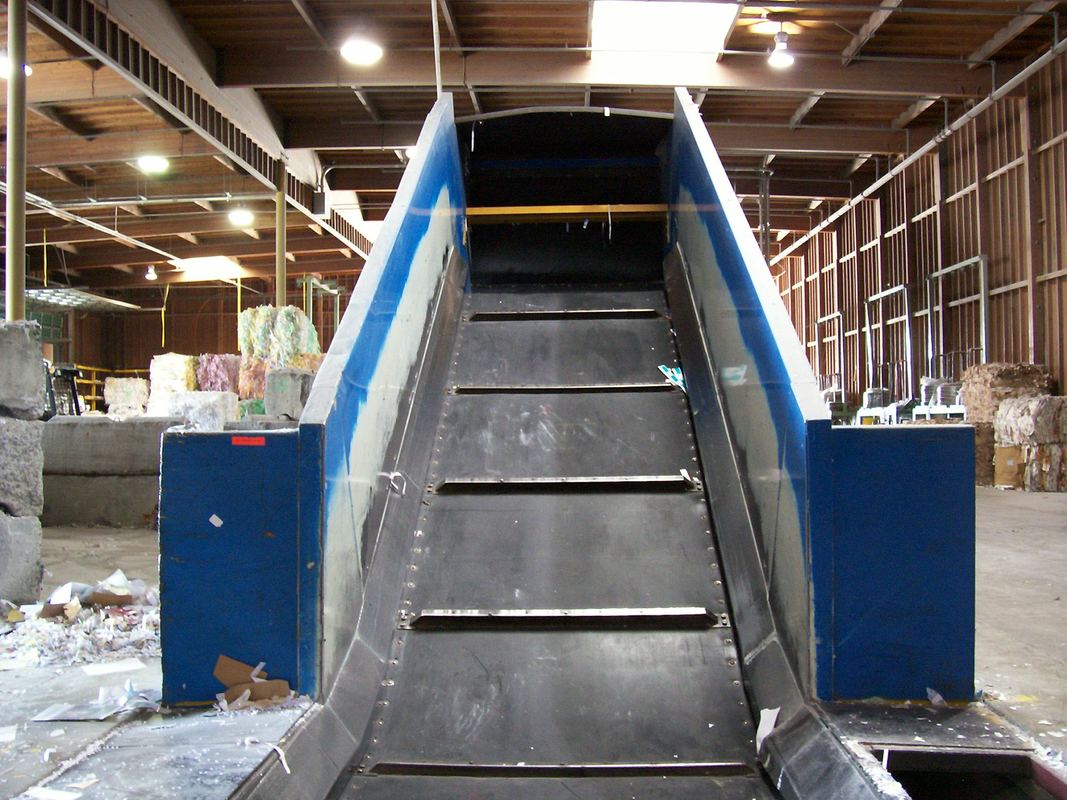
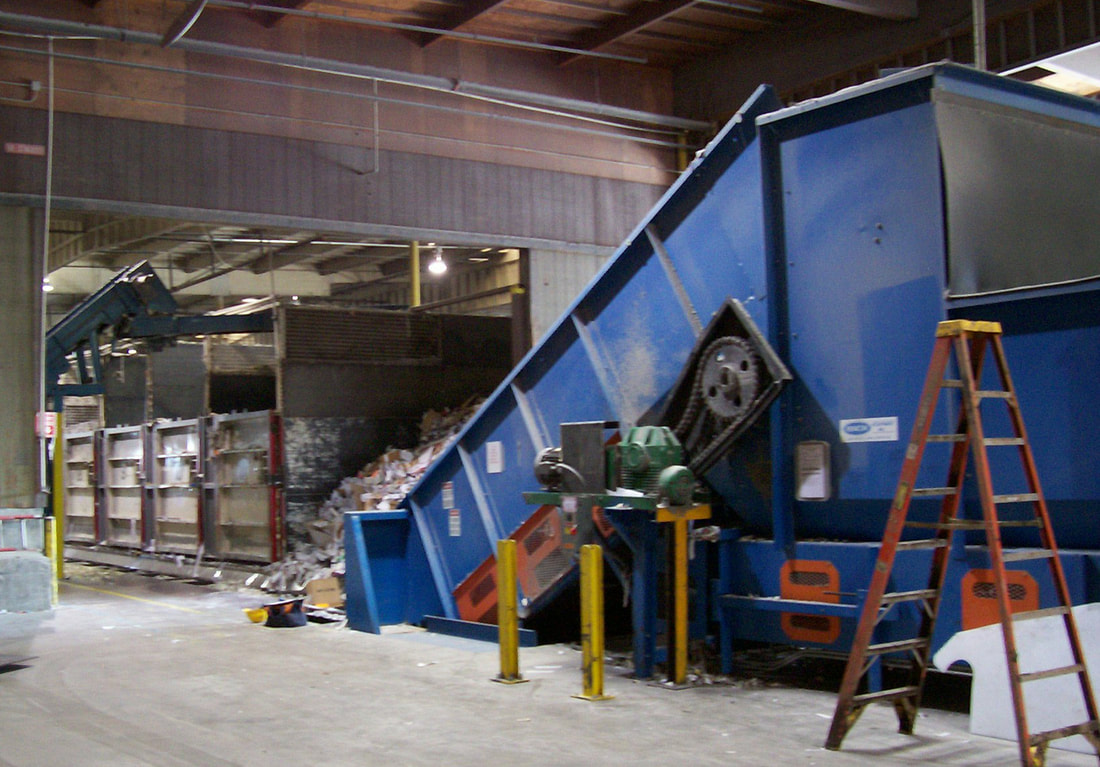
The photos below show a drag chain conveyor that Remcon reconfigured in 2001. The in-ground horizontal section of the conveyor was a more than 10-year-old Karl Schmidt drag chain conveyor (one of the first drag chain conveyors to be used for recycling), which we helped move from another plant. Remcon designed a new elbow-up section to match the existing conveyor style, lengthened the Karl Schmidt conveyor, and attached the new elbow-up and incline sections to the in-ground section. The gearbox and motor from the original conveyor were reused on the modified conveyor, as seen in the first photo. We also added pit plates and supports to custom fit the in-ground portion of the conveyor, as seen in the second photo. In 2008, we built and installed a new chain belt for the conveyor, and replaced sections of damaged track and straightened bent frame members (which was when these photos were taken).
Project 3 — Steel Belt Roller Chain Conveyor Refurbishment (1994)
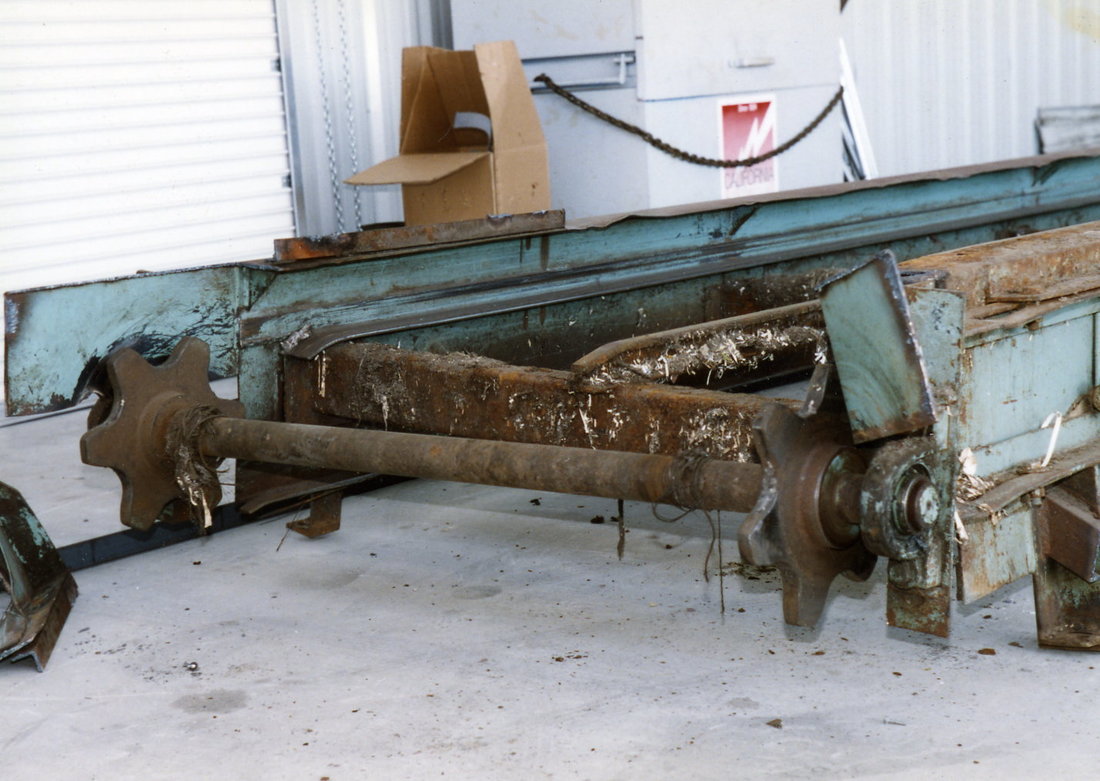
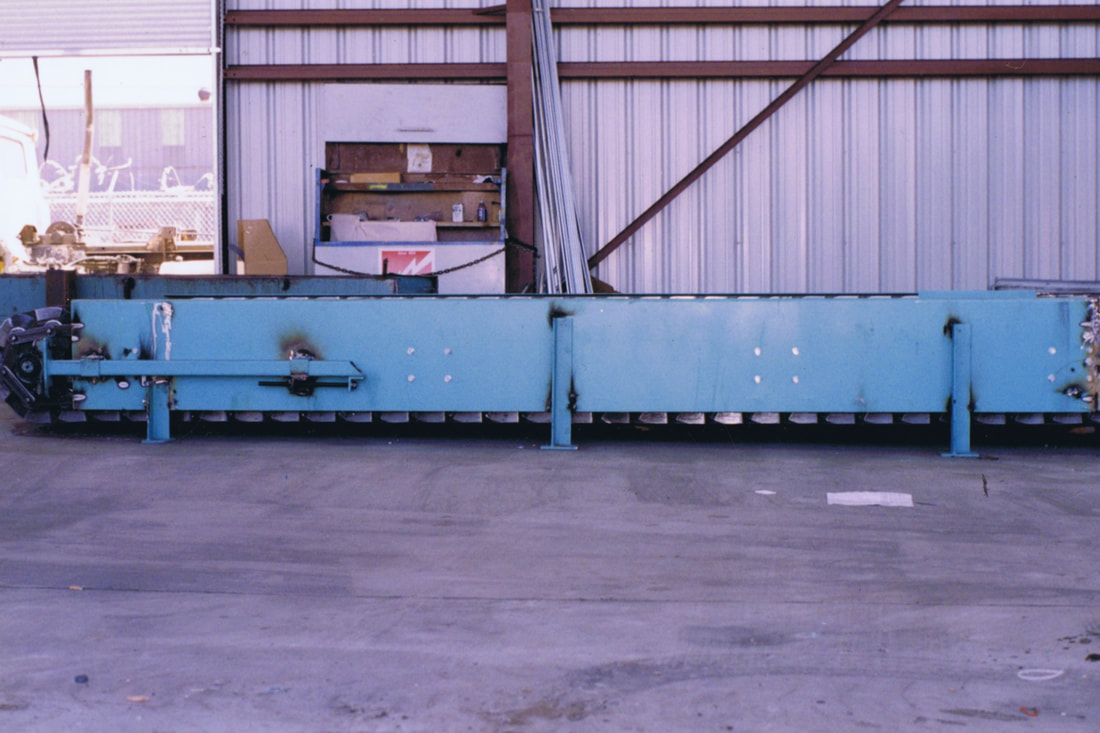
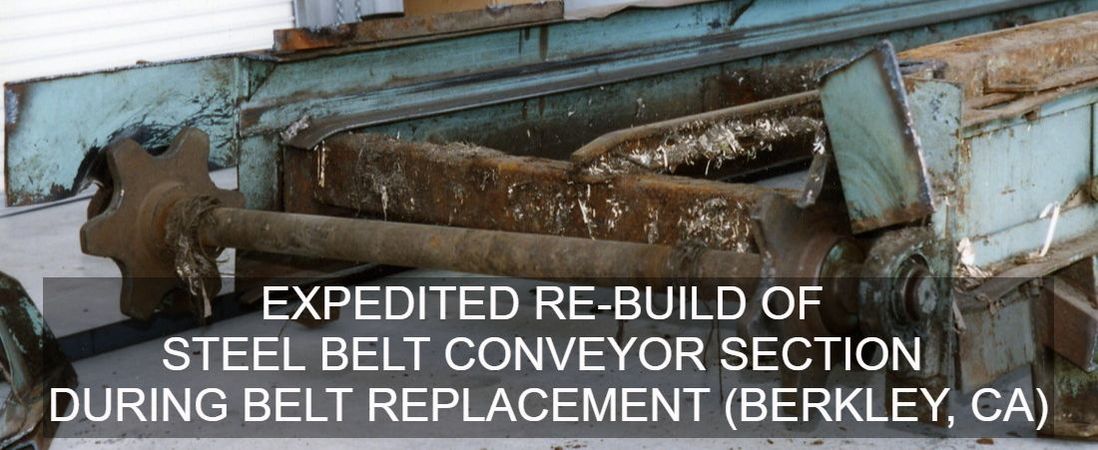
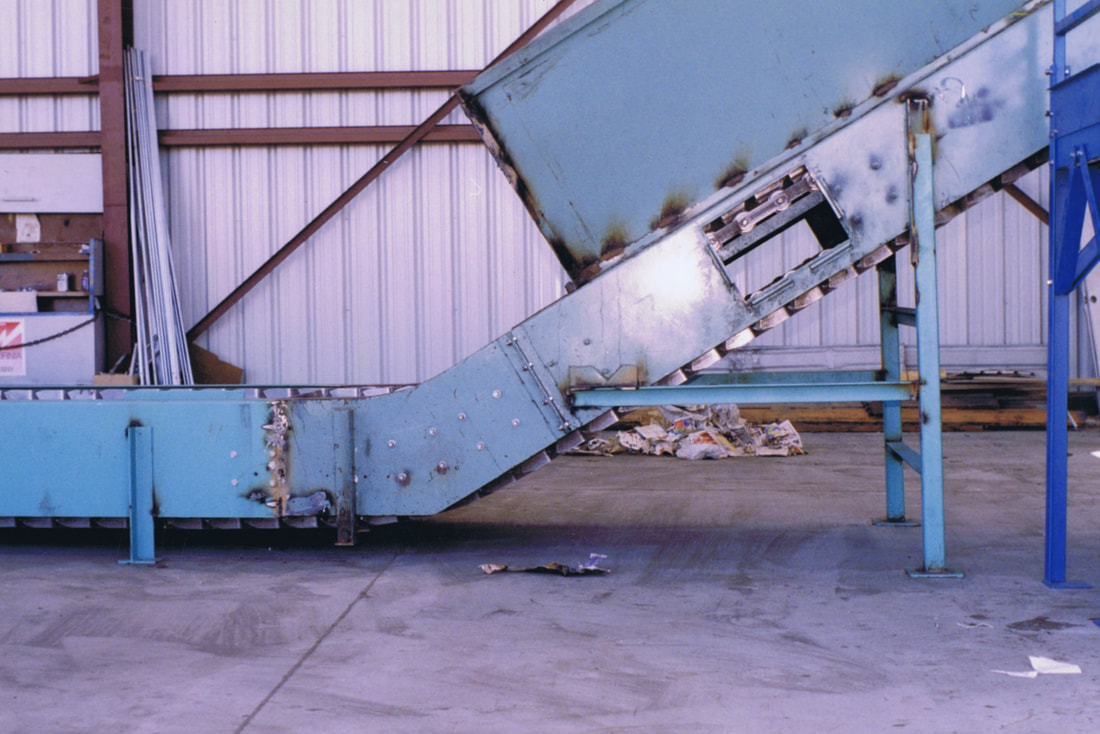
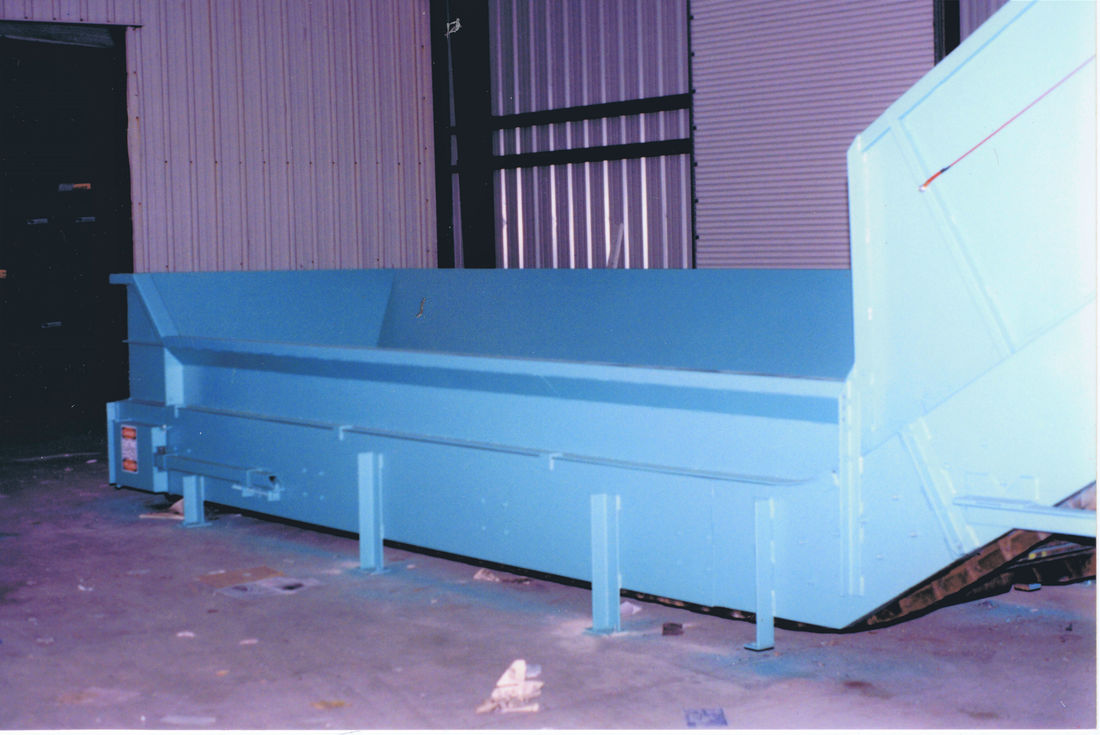
The photos below show a steel belt roller chain conveyor that Remcon refurbished when reconfiguring a conveyor system in 1994. As the old belt was removed, we discovered that the tracks, impact beams, and body of the horizontal loading section of the conveyor were badly worn, bent, and deeply rusted. Remcon sent a drawing of the loading section to their shop and had a replacement section built and shipped to the site in two days, which they attached to the used conveyor. They also added a specially designed infeed hopper to the loading section of the conveyor, as well as inspection stations.
Ready When You Are
We specialize in custom designed and fabricated equipment and can work with you to design a repair package that will work well for your needs. Contact us to discuss options or to get a quote.
Get a quote for repair & refurbishing →Further Reading
Guides from the people who design and weld this equipment:
- Repair or Replace a Conveyor: How to Decide — the frame is the test, not the calendar