
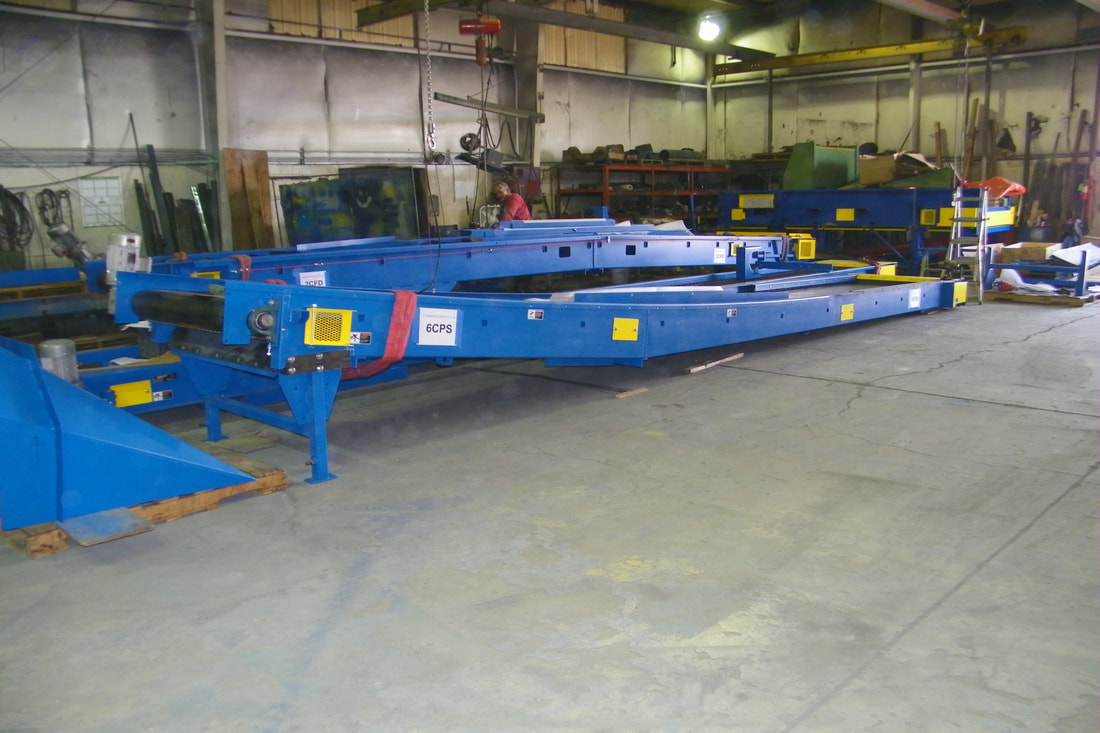
The Remcon Sorting Conveyor is designed specifically for sorting recyclables on MRF and recycling plant sort lines. The body is one piece of formed 3/16" steel plate, only 1 3/8" wider than the belt so sorters reach less, with supports recessed 4" for knee and foot room; the rest of the design targets glass breakage, belt wear, noise, personnel fatigue, safety and dust hazards, glass abrasion, and debris spillage.
What Is an MRF Sorting Conveyor?
An MRF sorting conveyor is the picking line of a material recovery facility — the belt that carries recyclables past a row of sort stations at a controlled, adjustable speed so sorters can pull each commodity off the stream. In a single-stream plant, sorting conveyors work at nearly every stage: the presort that pulls trash and film out early, the container line where cans and bottles come off, and the fiber line where cardboard and paper are cleaned up. Remcon has built recycling equipment since 1977 — every feature below exists because of something that goes wrong on a sort line.
It is not a sortation conveyor in the parcel or warehouse sense, a machine that diverts packages into lanes, and it is not the optical sorter itself. Remcon builds the belt that the people and the sorting machines work over.
MRF Sorting Conveyor Specifications
The numbers behind the features below — standard on nearly all Remcon sorting conveyors, unless the application requires otherwise:
| Specification | Remcon standard |
|---|---|
| Body | One-piece formed 3/16" steel plate, including the return belt pan; only 1 3/8" wider than the belt |
| Belt width | Custom — sized to the sort line and the number of sort stations; quoted per job |
| Belt | Moderately oil resistant (MOR) rubber, 1/8" or thicker top cover, 330 lbs per inch of width tensile, 3-ply polyester carcass |
| Belt speed | 4 to 150 feet per minute; variable speed range of 80% standard, 180% with optional automatic speed control |
| Drive | Dodge Torque-Arm 2 shaft-mounted parallel gear reducer, AGMA class 2, variable speed |
| Motor | Teco-Westinghouse, severe duty, TEFC, 1.15 service factor, class F insulation |
| Bearings | Dodge SXR pillow block with eccentric locking collar; sealed, self-aligning, greased bi-annually |
| Belt take-up | Cantilevered telescoping tube style, 10" travel on shorter conveyors up to 18" on the longest |
| Sort stations | Supports recessed 4"; flat, smooth guards to lean against; rounded top edges |
You May Also Need
Infeed Conveyor
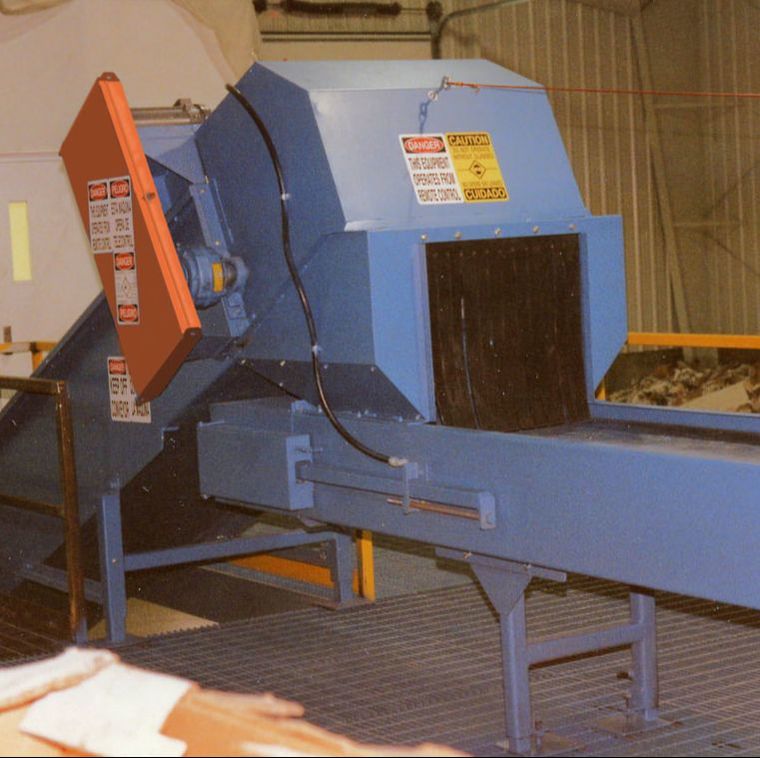
For efficient feeding of material from an in-ground or above-ground hopper.
Infeed conveyors →Sort Line Feed Conveyor
For consistent and safe feeding of material onto the sorting conveyor from another machine, bucket loader, etc.
Sort line feed conveyors →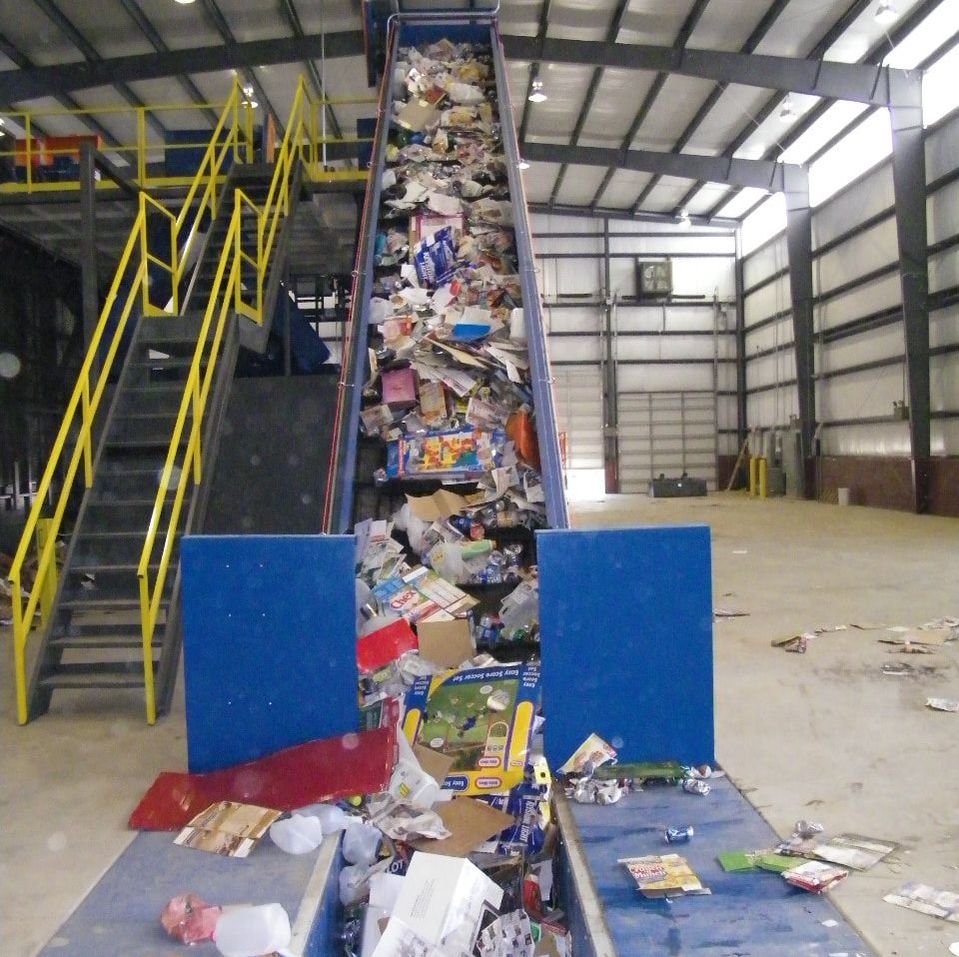
Platform or Bunker Walls
For elevated sorting, which allows for larger material collection areas or containers, as well as easier discharge into other downstream equipment.
Platforms & catwalks →
Sort Line Configuration Options
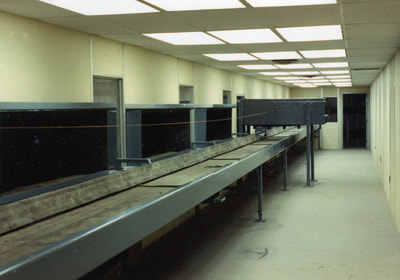
A sorting conveyor system is more than the belt: the infeed conveyor, the sort line feed conveyor, the sorting conveyor with its drop chutes and pitch hoppers, and the platform or bunker walls it sits on are designed together.
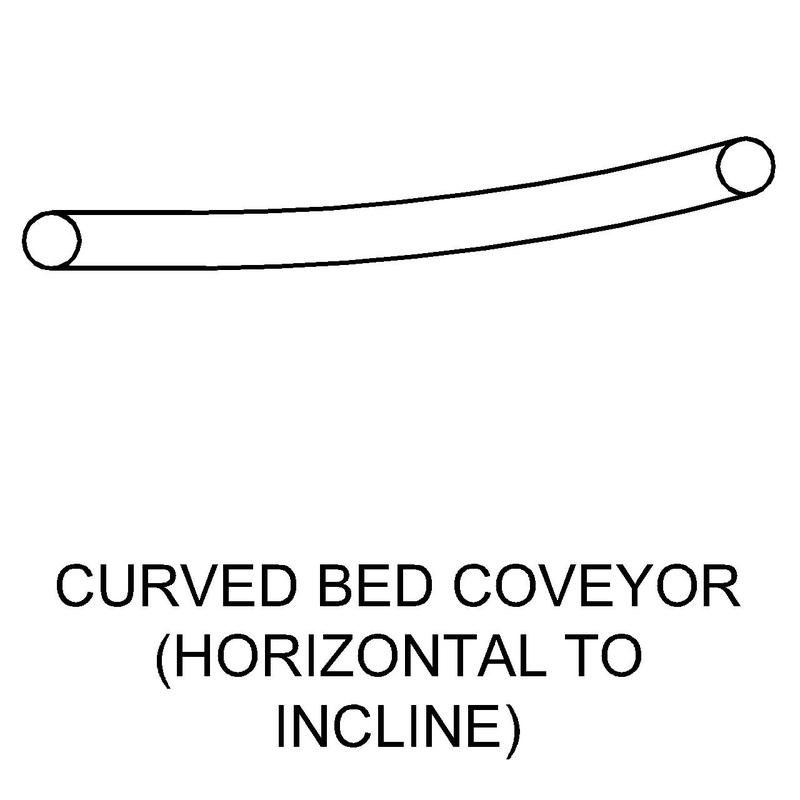
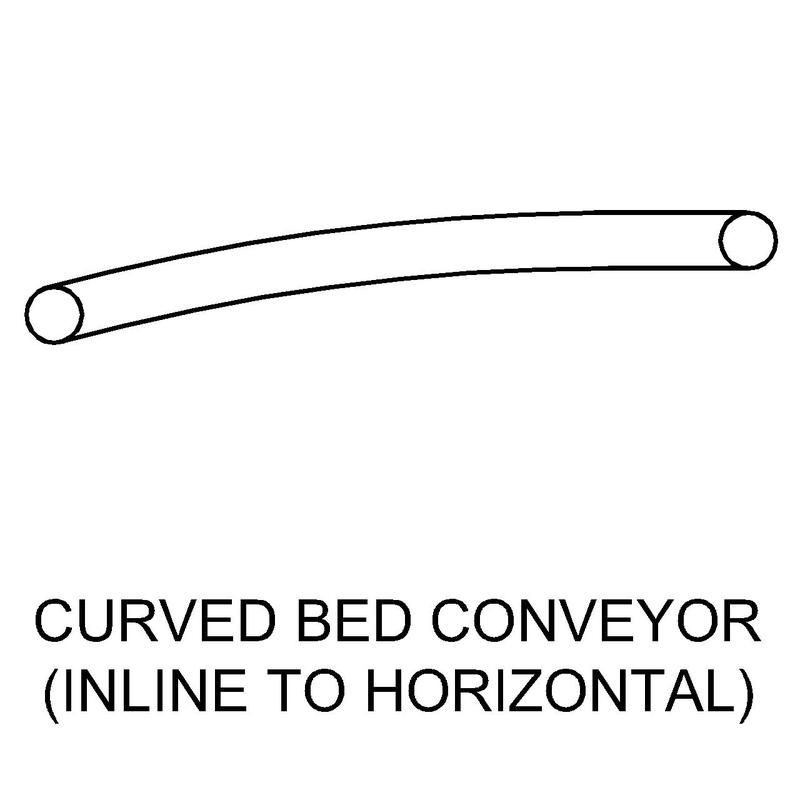
Remcon can build sorting conveyors in many different orientations, depending on the MRF layout requirements. We can also build sorting or quality control inspection stations into other types of conveyors (transfer, incline, take-away conveyors, etc.) as needed, if only a small section is needed and a dedicated sorting conveyor is not feasible.
Other options may also be available, depending on the application.
Contact us to discuss what works for your situation →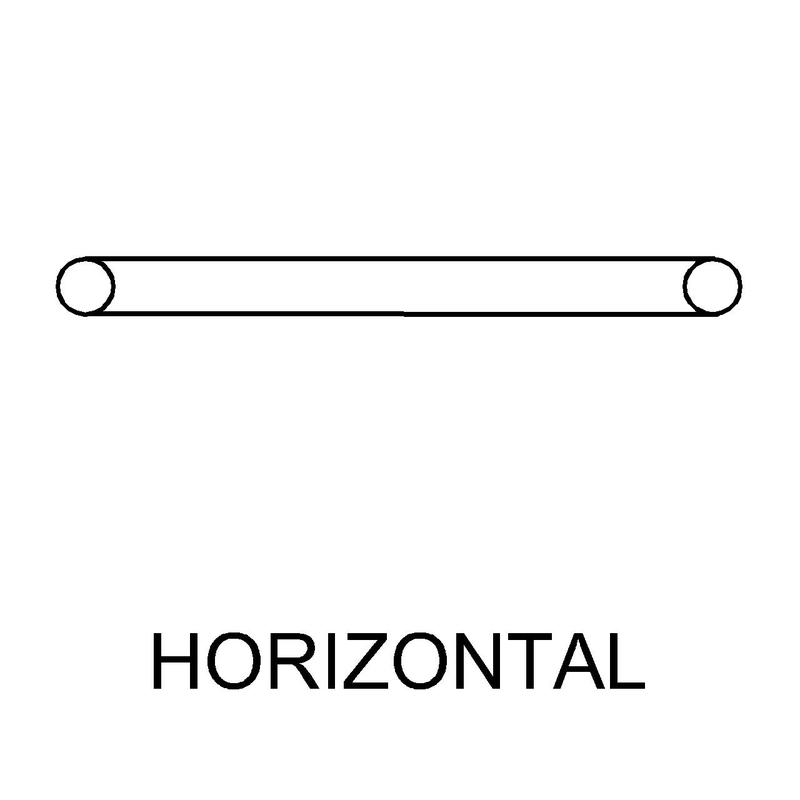
Sort Station Ergonomics & Special Features
Smooth side walls. The outer side walls of the conveyor are free of all obstructions which may cause injury or discomfort to the sorter.
Recessed supports. Legs, braces, and base plates are all recessed 4 inches from the face of the conveyor, providing unrestricted space for the sorter's knees and feet throughout the entire sorting area.
Rounded edges. The top edges of the conveyor are rounded for the sorter's safety and comfort.
Narrow profile. The conveyor body, designed specifically for sorting, is as narrow as possible: only 1 3/8" wider than the actual belt width. This puts the sorters as close as possible to the material on the belt, decreasing reaching and bending to the minimum possible.
One-piece body. The conveyor body, including the return belt pan, is formed from 3/16 inch steel plate. In addition to the features listed above, features of this design include:
- Safety is ensured by enclosing the belt edges, return belt, head and tail pulleys, and all pinch points.
- The return chute collects all debris that clings to, then falls from the belt, keeping work areas clean and safe. The debris is collected in a clean-out at the tail of the conveyor.
- There are no belt support idlers, eliminating their pinch points and the need to adjust, clean, and grease.
- The extra-strong formed tubular construction is very rigid. This allows a minimum of support legs that can interfere with cleaning, bin and chute placement, etc.
Semi-troughed sorting belt. Optimum combination of flat center belt section and raised outer edges allows material to spread out properly without abrasive debris collecting underneath the belt. This design also allows for the most material to be spread on the belt for ease of sorting without spilling off of the sides.
Belt edge seals. These seals are part of the bed, underneath the edges of the belt. They minimize the amount of debris that works itself underneath the belt to cause excessive wear on both the belt and the pan.
Slat bed design. The conveyor bed, which the belt slides on, is constructed of slats, rather than solid steel. A solid bed traps both small debris and moisture underneath the belt. The debris causes increased friction and wear on both the belt and the bed. The moisture, which can include sticky liquid from containers, causes suction and drag on the belt. The slat design allows this debris and moisture to escape, thus preventing these problems.
Variable speed. The drive system speed control allows adjustment to the rate of flow onto the sorting conveyor for the most efficient picking under a wide range of conditions.
Transition hoppers and hoods. Hoods and hoppers are provided at transition points for safety, to contain material, and to keep debris out of the mechanical components. They also cushion the fall of material, reducing glass breakage and noise.
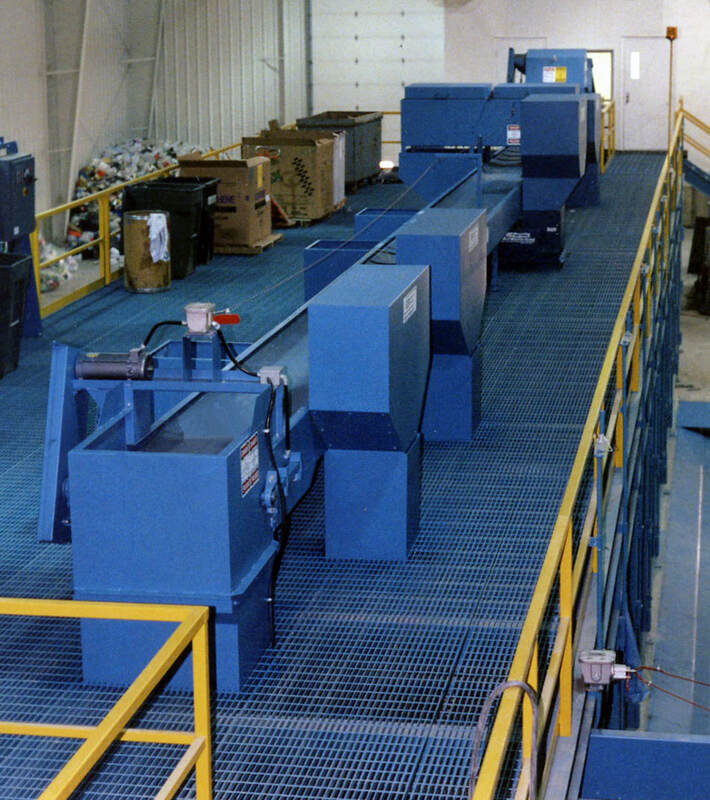
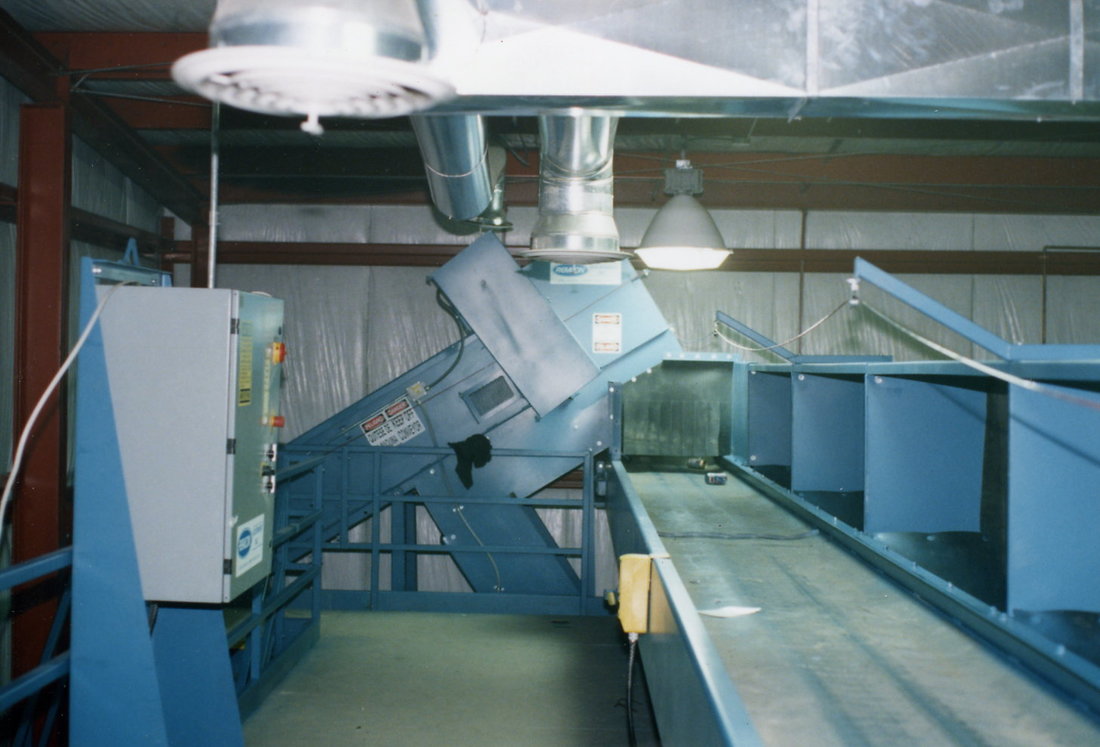
Conveyor alignment. Remcon conveyors are shop fabricated in the longest sections practical (up to 40 ft.). Adjoining sections are aligned accurately with each other in the shop as they are fabricated. The entire conveyor is aligned again (and leveled) during installation, to prevent the belt from wandering and wearing into the side of the conveyor. Built-in leveling devices make the leveling and alignment procedure quicker and more accurate.
Parallel gear, shaft mounted, torque arm reducers (Dodge “Torque-Arm 2”). These reducers have been used almost exclusively in sand, rock, gravel, mining, etc., industries, for many years, and are well proven. Remcon has used them since 1990, with good success. Advantages include low maintenance, ease of adjustment, fewer wear parts, no shear pins, efficient parallel gears, operating and maintenance convenience, excellent availability, separate motor for ease of replacement, ease of changing reduction ratios, etc.
Remcon belt take-ups and tracking. Remcon's cantilevered telescoping tube style take-ups, with manual screw adjustment, offer the following advantages:
- Cleaning access — The support tubes are positioned to provide access to the area between the upper and lower belts, for cleaning and inspection of the tail pulley.
- Replaceable parts — The bearings are commonly available pillow block style. The threaded working parts of the take-up are commonly available from local fastener or hardware stores, and replaced easily.
- Take-up travel — Generous length of take-up travel: 10" on the shorter conveyors, up to 18" on the longest. On slider bed conveyors, the belt will be cut so that the majority of the take-up is used for ease of belt installation, repair, and replacement, since good quality belts with polyester carcasses have virtually no stretch after initial tensioning, and in some cases will shrink slightly.
- Ease of adjustment — Belt tracking and tension adjustments are made at the tail pulley with one wrench, with no need to loosen and re-tighten the bearing attachment bolts. The moving parts of the take-up have generous amounts of clearance, to prevent binding in the frame or against the bearings (side load) as the take-up moves through its full range. The head pulley is equipped with additional tracking adjusters.
- Versatility — Remcon take-ups will accommodate almost any brand of bearing, in the most common, pillow block style.
Support legs. Steel tube construction, with height adjusting devices that also provide accurate leveling.
Common components. Remcon conveyors are all built from components widely distributed throughout the USA, providing quick and easy service if needed from just about anywhere in the country.
Mechanical Specifications
Bearings. Dodge SXR pillow block with eccentric locking collar for better grip on shaft. All bearings are self-aligning, pillow-block style sealed units, requiring grease only bi-annually.
Belt construction. High strength, moderately oil resistant rubber (MOR), 1/8" or thicker top cover with slider surface bottom cover, tensile rating of 330 pounds per inch of belt width. 3-ply woven polyester carcass prevents future stretching after belt is first tensioned.
Belt cleaner cleats. 3/4 inch high cleaner cleats continually wipe debris from the return pan, and deposit it in a cleanout area at the tail of the conveyor. Only 2 or 3 cleats are required per conveyor. For certain applications where these cleats may cause an interference, idler pulleys and other options are available.
Belt lacing options.
- Flexco R2 — A very common heavy-duty rivet style lacing. Available in galvanized steel or MegAlloy®.
- Flexco 375 — An alternative heavy-duty lacing option that is attached with bolts, rather than staples or rivets. This lacing is long-lasting and resists damage.
Belt speed. 4 feet per minute minimum, 150 maximum, with a variable speed range of 80% for standard controls, and a range of 180% for conveyors equipped with optional automatic speed control systems.
Gear reducer. Dodge “Torque-Arm 2”, parallel gear, shaft-mounted speed reducer meets American Gear Manufacturers Association class 2 rating.
Motor. Teco-Westinghouse, severe duty, TEFC, 1.15 service factor, class F insulation for long motor life.
Pulleys.
- Crowning — The pulley crowning keeps belt tracking true, minimizing time-consuming adjustments.
- Self-cleaning — For tail pulleys on conveyors that will be carrying glass. This wing style pulley is designed to expel broken glass and other debris from between the belt and the pulley. This prevents premature belt wear and jamming.
- Lagging — For head (drive) pulleys, on conveyors with heavy loads, for better traction. This heavy duty rubber layer is permanently hot-vulcanized to the pulley.
Variable speed drive. Remcon sorting conveyors are equipped with totally enclosed, fan cooled motors with variable speed drives.
Safety Features
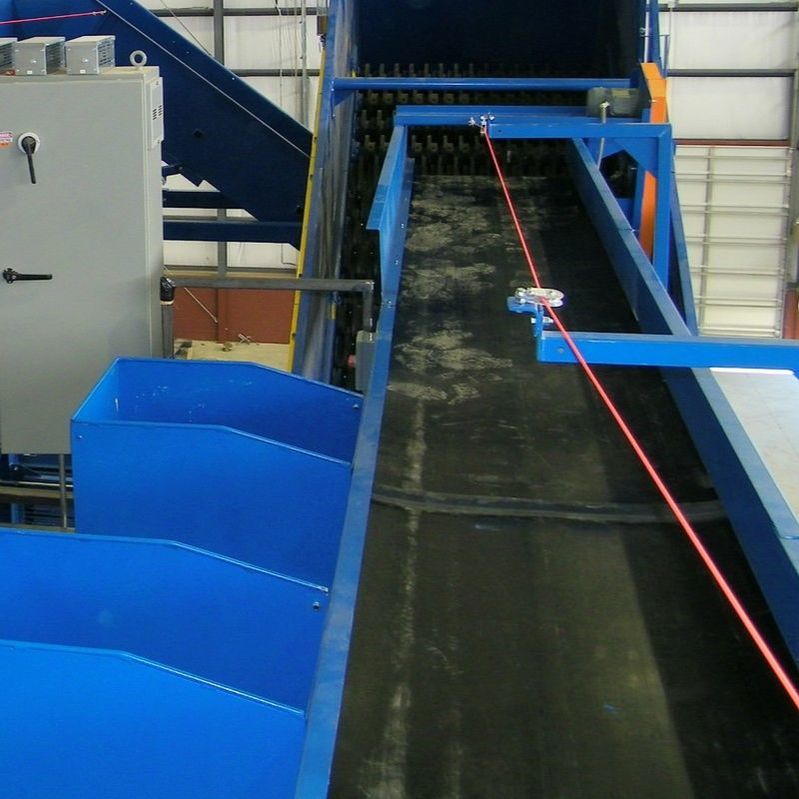
Emergency stop system. Remcon provides an emergency stop system, such as cable pull cords and emergency stop buttons as needed according to the system layout.
Hooded pulleys. Both ends of the conveyor are guarded by hoods to protect personnel from possible hazards.
Fully enclosed return pan. A completely enclosed belt return pan from head to tail eliminates hazards from all moving components, and prevents debris and liquid from falling on people underneath the conveyor.
Hinged guards for drive components. Remcon's standard guards are hinged to provide convenient access for inspection and maintenance without removing a guard.
Smooth guards in sorting area. Guards covering clean-out / inspection holes that are located in the sorting area are flat and smooth for sorters to lean against.
Options
Dividers. Various options are available for dividers (steel “partitions”, suspended above the belt), which allow one conveyor to carry more than one separate stream of material — for example, keeping container line and fiber line streams separated on a single belt.
Pitch hoppers, drop chutes. Many options are available for pitch hoppers and drop chutes, including 2-way options to divert material two different directions.
Sidewall height options.
- Extensions — If needed, sidewall extensions can be added where material depth is greater on the sorting line.
- Doors — If walls are needed for greater material depth, but sorting is required only at certain times, doors can be provided at sorting stations, to be opened only when sorting.
- Special design — Many options are available for side wall height, troughing design, etc. Contact us.
MRF Sorting Conveyor FAQ
What is an MRF sorting conveyor?
An MRF sorting conveyor is the belt that carries recyclables past the sort stations in a material recovery facility, running at a controlled speed so sorters can pull material off the stream. Remcon builds them with a one-piece body formed from 3/16" steel plate, a semi-troughed belt, and a variable speed drive to match the pace of the pick line.
Is a conveyor sorter the same as a sorting conveyor?
Remcon builds the belt that the people and the sorting machines work over. It is not a sortation conveyor in the parcel or warehouse sense, a machine that diverts packages into lanes, and it is not the optical sorter itself.
How are sorters protected at the sort stations?
The conveyor body is designed around the sorters: smooth side walls, rounded top edges, and supports recessed 4" from the conveyor face for unrestricted knee and foot room. The body is only 1 3/8" wider than the belt so sorters reach less, guards in the sorting area are flat and smooth to lean against, and an emergency stop system covers the line.
How does a sorting conveyor handle glass breakage?
Remcon sorting conveyors are designed to reduce glass breakage at transfer points and to keep broken glass from destroying the belt. Hoods and transition hoppers cushion the fall of material, belt edge seals keep debris from working under the belt, the slat bed lets abrasive fines escape, and a self-cleaning wing-style tail pulley expels broken glass from between the belt and the pulley.
What belt widths are available on MRF sorting conveyors?
Belt width is custom — each sorting conveyor is sized to the sort line, the material stream, and the number of sort stations, then quoted per job. Sorting conveyors are built on Remcon's slider bed design, offered in belt widths from 12" to 72", with a body only 1 3/8" wider than the belt.
Can a sorting conveyor be retrofitted into an existing MRF line?
Yes. Every Remcon sorting conveyor is built to order, so widths, lengths, heights, and configurations are matched to the existing line rather than a catalog page. Where a dedicated sorting conveyor is not feasible, we can build sorting or quality control inspection stations into other conveyor types — transfer, incline, or take-away conveyors. Sections are shop fabricated up to 40 ft, aligned in the shop, then aligned and leveled again during installation.
We specialize in custom designed and fabricated equipment and can work with you to design a solution that will work well for your needs. Every sorting conveyor is designed and fabricated at our Airway Heights (Spokane), Washington shop, then shipped and installed nationwide. Contact us to discuss options or to get a quote.
Get a quote for a sorting conveyor →Further Reading
Guides from the people who design and weld this equipment:
- Why Your Optical Sorter Underperforms: Feed Presentation — singulation and burden depth ahead of the sorter
- Stainless Steel vs. Abrasion Resistance in Recycling Equipment — why stainless is often the wrong spec for a wear zone