
At Remcon Equipment, we specialize in integrating high-quality vibratory screens into complete material processing systems. While we don't manufacture vibratory screens ourselves, we have extensive experience sourcing them from top manufacturers and incorporating them into custom systems. We handle all the additional components needed for seamless integration — including support structures, infeed and outfeed conveyors, and transition chutes — ensuring the vibratory screen performs reliably as part of a cohesive setup.
What a Vibratory Screen Does in a Recycling Plant
A vibratory screen is a sloped deck of punched plate, wire mesh, or urethane panels that vibrates as material flows across it. The vibration conveys material down the deck and stratifies the bed — small pieces sink, find the openings, and fall through, while oversize carries over the end. Every vibratory screen for recycling does some version of that one job — scalping oversize ahead of a sort line, pulling abrasive fines out early, sizing a finished product to spec, or spreading material a single layer deep ahead of optical sorters. The screen itself has few wear parts, but it only performs when the equipment around it presents material correctly — which is where Remcon comes in.
Why Choose Remcon for Vibratory Screen Integration
Full-Service System Design
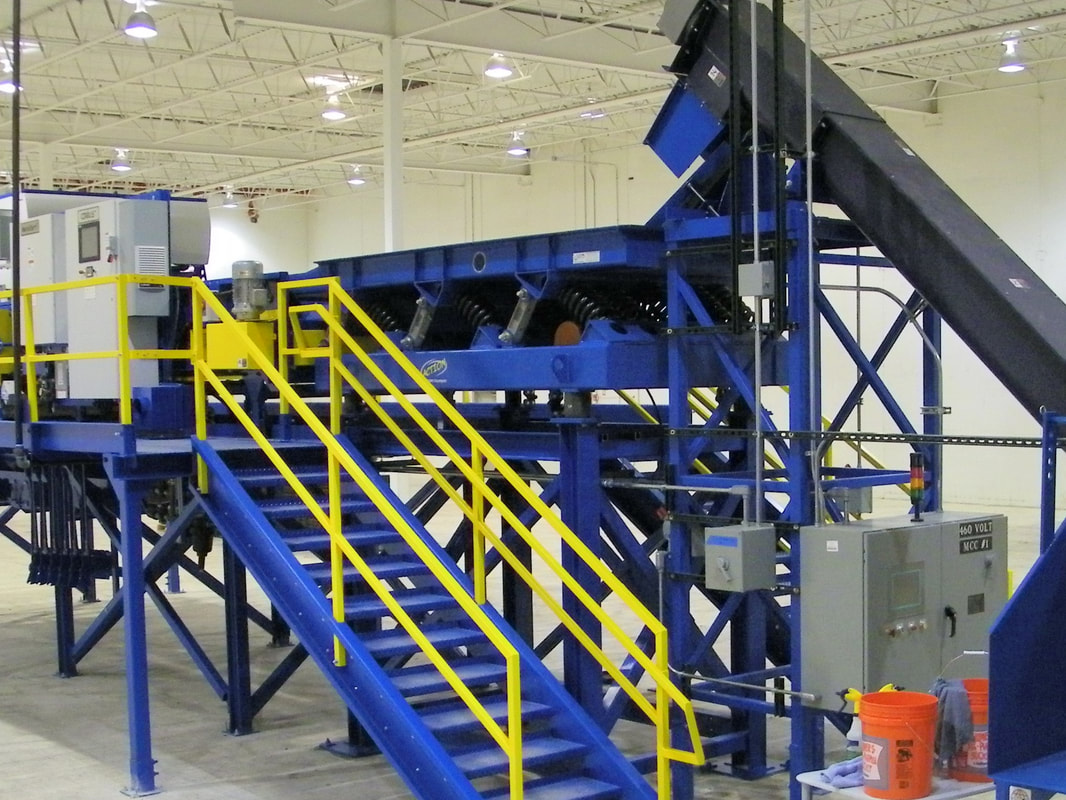
Whether you buy a vibratory screen through us (with our assistance in selecting the right model) or directly from the manufacturer, Remcon provides everything else to make it part of an efficient, high-performing system. Our team designs and builds custom support frames, conveyors, and chutes, tailoring each component to ensure a seamless fit with your vibratory screen and the unique requirements of your operation.
That division of labor is deliberate. The screen arrives from its manufacturer as a machine; the structure that carries its vibrating load, the infeed conveyor that meters material onto the deck, the takeaway conveyors for each sized fraction, and the chutes that connect it all without spillage are steel fabrication work — the work Remcon has done since 1977. One shop stays responsible for the complete working system.
How our turn-key systems come together →Precision Sorting for Enhanced Productivity
Vibratory screens are essential for separating and sorting materials of different sizes. Our custom-designed infeed and outfeed conveyors promote smooth material flow and prevent blockages, ensuring consistent sorting and reducing downtime. Remcon's experience ensures each component works together effectively, enhancing overall workflow and productivity.
Infeed conveyors we build →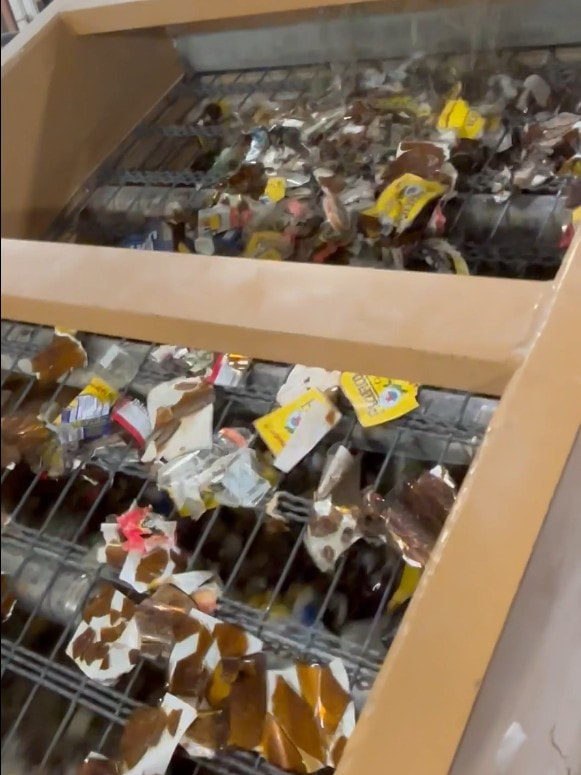
Expertise in Integration, Ongoing Support
With Remcon's comprehensive integration expertise, you gain a fully functional, optimized system for efficient material handling. We provide guidance on equipment selection and offer reliable installation, ongoing maintenance, and support to keep your vibratory screen and entire system performing at its best.
Installation services →Screening by Material Stream
What a screen contributes — and what has to be built around it — depends on the material. These are the streams where vibratory screening most often earns its place in a recycling or waste processing line.
Glass Cullet
Screening cullet sizes the glass for market and pulls out the fines, labels, and cap fragments that lower its value. Glass is also the hardest stream on the equipment around the screen — abrasive, prone to packing, quick to work under belt edges. Remcon knows cullet: our cullet dumping systems carry 1/4" plate steel wherever glass touches the machine, and the screen in FIG. 01 above was integrated into a glass and PET separation system. The chutes and conveyors around a glass screen get the same detailing.
Compost & Organics
For compost and ground organics, screening turns a pile into a product — the deck passes finished compost at the specified particle size while overs, uncomposted wood, and contaminants such as film plastic carry over for reprocessing or disposal. Organics are heavy, wet, and hard on light-gauge equipment, so the infeed and takeaway conveyors around the screen matter as much as the screen itself.
C&D Fines
In construction and demolition processing, a screen pulls the fines fraction — soil, gravel, gypsum dust, and small aggregate — out of the mixed stream early, before those abrasive fines ride through the plant grinding on belts and bearings. Screening first also leaves cleaner oversize for the pickers and separators downstream, so the sort line works on material worth sorting.
Scrap
On shredded scrap, screening separates fines from the sized fraction ahead of magnetic and eddy current separation, so each separator sees material in the size range it handles best. Remcon builds the conveyors that tie that train together — see our overhead magnetic separators and eddy current separators for the steps that commonly follow a screen.
Adding a Screen to an Existing Line
A vibratory screen can usually be retrofitted into a line that is already running. Three things have to be engineered: drop height, because material needs room to stratify and discharge into whatever comes next; structure, because a vibrating machine cannot simply sit on the existing floor steel; and material flow, because the conveyors feeding and following the screen usually need rework so each fraction has somewhere to go. Remcon measures the line, designs the structure and transitions to fit the building, and installs everything with our own crews — including the platforms and catwalks that keep an elevated screen serviceable.
Remcon serves Pacific Northwest recyclers from our Airway Heights (Spokane), Washington shop, and ships and installs vibratory screen systems nationwide.
Vibratory Screen FAQ
Do I buy the vibratory screen through Remcon?
Either way works. Remcon does not manufacture vibratory screens; we source them from established screen manufacturers and help you select the right model, or you can buy the screen directly and we build everything around it — support structure, infeed and outfeed conveyors, and transition chutes. Either way, one shop is responsible for the complete working system.
What does Remcon build around a vibratory screen?
Remcon designs and fabricates the support structure the screen mounts on, the infeed conveyor that meters material onto the deck, the outfeed and transfer conveyors that carry away each sized fraction, and the transition chutes between them. We also handle installation and provide ongoing maintenance and support for the system.
Which materials screen well on a vibratory screen?
Vibratory screens work best on free-flowing material where particle size separates the product — glass cullet, mixed container streams, compost and ground organics, C&D fines, and shredded scrap are all common. Material that mats, tangles, or wraps, such as film-heavy single stream, can blind a vibrating deck and may be better served by a disc screen or another separation step. Tell us the material and we will help pick the right screening technology.
Can a vibratory screen be added to an existing line?
Yes — retrofitting a screen into a running line is common. The screen needs drop height for material to stratify, a structure to carry its vibrating load, and conveyors reworked to feed the deck and take away each fraction. Remcon measures the existing line, designs the structure and transitions to fit the building, and installs the screen and surrounding equipment with our own crews.
Talk Through Your Screening Setup
We specialize in custom designed and fabricated equipment and can work with you to design a solution that will work well for your needs. Contact us to discuss options or to get a quote.
Contact us about vibratory screen integration →