
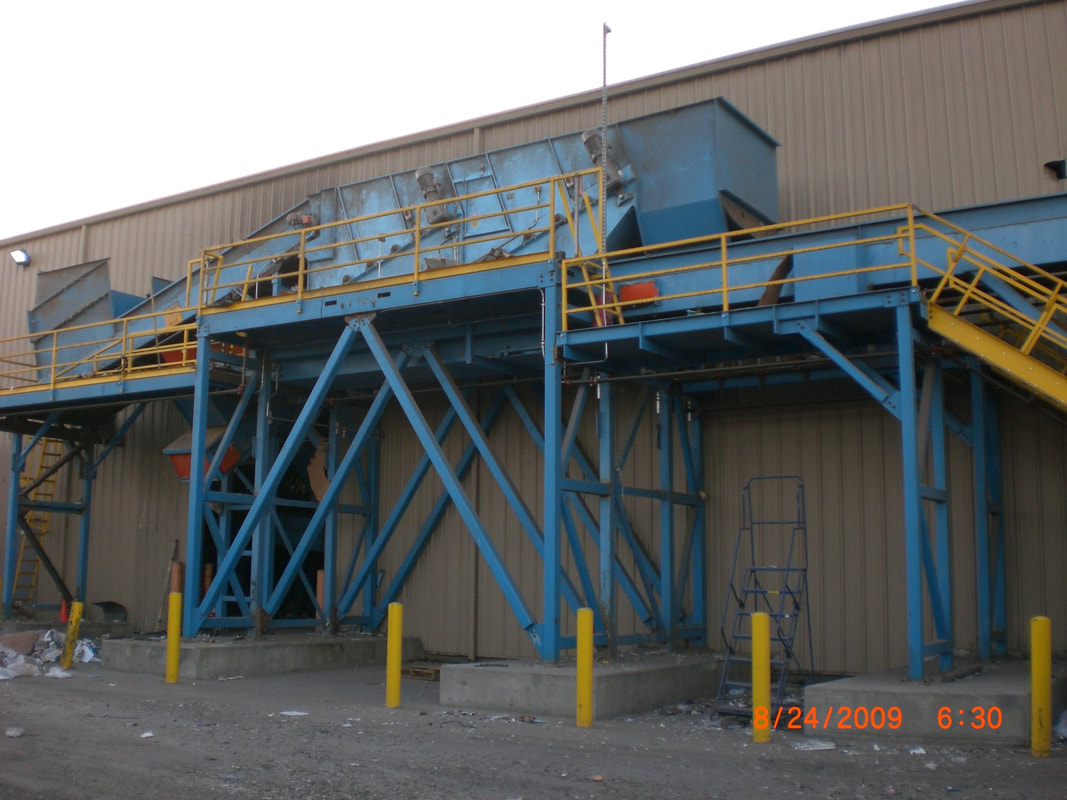
At Remcon Equipment, we provide everything you need to integrate disc screens seamlessly into your material processing systems. While we don't design or build the screens themselves, we have extensive experience purchasing them from leading manufacturers and incorporating them into custom systems. We offer complete solutions for support structures, infeed and outfeed conveyors, transition chutes, and bunkers — everything necessary for efficient integration.
What a Disc Screen Does in a Single-Stream Line
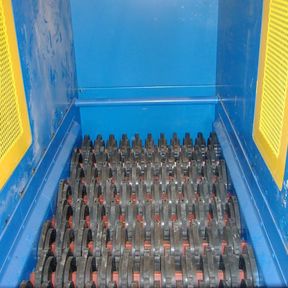
A disc screen is a bank of rotating shafts, each fitted with a row of shaped discs. As the shafts spin in the direction of flow, material walks across the top of the screen, and what happens next depends on size and shape. Small, heavy items — glass, grit, caps — fall through the openings between the discs. Flat, two-dimensional material like paper and cardboard rides across the top. Rounder, three-dimensional containers bounce and roll instead of lying flat. That simple mechanical sort is what makes disc screens the workhorse separators of single-stream recycling.
In a single-stream MRF, disc screens make the first rough cut so the people and machines downstream see a cleaner stream. Fiber that rides over the top heads to quality-control sorting; containers carry on toward magnets, eddy currents, and the manual sort; fines drop out early, before broken glass can grind against belts and bearings the whole length of the plant.
Screen manufacturers each have their own disc profiles, spacings, and drive arrangements — that's their specialty. Ours is everything that gets material to the screen and away from it.
OCC Screens, News Screens & Fines Screens
Disc screens are named for what rides over the top of them. The disc spacing and the deck angle change, but the principle stays the same: overs travel across the discs, unders fall through. A single-stream line typically runs more than one screen in sequence, coarsest first.
| Screen type | Where it sits in the line | What it separates |
|---|---|---|
| OCC screen | First screen after the presort | Wide disc spacing carries large corrugated (cardboard) over the top; everything smaller falls through to the next stage |
| News screen | Mid-line, often steeply inclined | Newspaper and mixed paper climb over the top while containers tumble back down the incline to a separate takeaway |
| Fines screen | Early in the line or under other screens | Tight disc spacing drops glass, grit, caps, and other small fines out of the stream before they wear on downstream equipment |
Which screens a plant needs — and in what order — depends on the material mix and the commodities being recovered. We can help you sort that out when you're selecting equipment.
Where the Screen Sits — and What Feeds It
A disc screen is only as good as its feed. Screens want an even, metered burden depth — a surge buries the discs and everything rides over the top, unders and all. That is why the conveyor ahead of the screen matters as much as the screen itself: a Remcon infeed conveyor meters material onto the discs at a controlled rate of flow.
Downstream, sorting conveyors carry the overs past sorters for quality control, and transfer conveyors collect the unders that fall through. Between every one of those machines sits a transition chute that has to land material where the next belt can carry it — get the chute geometry wrong and the best screen in the industry will plug.
Why Choose Remcon for Disc Screen Integration
Custom System Components
Whether you buy a disc screen directly from us (with our help in selecting the best model) or from a manufacturer, Remcon designs and builds the essential components to ensure a smooth and efficient workflow. Our team specializes in creating custom support structures, mounting platforms, and all conveying systems necessary for effective material flow, tailored to the unique demands of your operation.
Platforms & catwalks we build →Expertise in Integration
Our experience with disc screens means we understand the critical requirements for infeed and outfeed conveyors, transition chutes, and structural support. We ensure each component is designed to work in harmony, creating a cohesive and efficient system that enhances productivity while minimizing downtime.
Infeed conveyors →Comprehensive Support
Remcon's expertise extends beyond individual components; we manage the entire integration process, from design through installation. This complete approach ensures that your disc screen functions as part of an optimized, reliable system.
Installation services →What Remcon Builds Around the Screen
The screen is one machine. Disc screen integration is everything else — the steel and conveying that turn it into a working line:
- Support structures & platforms — steel to hold the screen at the right height and angle, with catwalks and stairs for maintenance access.
- Infeed & outfeed conveyors — a metered feed onto the discs, and takeaway conveyors for the overs and unders coming off.
- Transition chutes — plate steel chute work that guides fiber, containers, and fines from screen to belt without plugging or spillage.
- Bunkers — storage bunkers that hold screened material until the next machine is ready for it.
Already have a screen? We also replace, relocate, and re-support existing disc screens as part of our system reconfiguration and moving work — new support steel, new chutes, and modified conveyors to fit the screen into a new footprint. All of that structure, conveying, and chute work is designed and fabricated at our Airway Heights (Spokane), Washington shop, then shipped and installed nationwide.
Disc Screen Integration FAQ
Do I buy the disc screen or the whole system?
Either way works — you can buy the disc screen through Remcon or directly from the screen manufacturer. We don't build the screens themselves; we help you select the right model, purchase it from leading manufacturers when you want us to, and design and fabricate the support structure, conveyors, chutes, and bunkers around it either way.
What conveyors feed a disc screen?
An infeed conveyor feeds a disc screen, metering material onto the discs at a controlled rate of flow. Downstream, sorting conveyors carry the overs past sorters for quality control, and transfer conveyors collect the unders that fall through. Remcon builds all three, matched to the screen and the building.
Can Remcon replace or relocate an existing disc screen?
Yes. Replacing or relocating a disc screen is system reconfiguration work — new support steel, new transition chutes, and modified conveyors to fit the screen into its new position. Our own installation crews handle the move and re-installation as part of our system reconfiguration and moving services.
What does Remcon build around the screen?
Remcon builds everything except the screen itself: support structures and mounting platforms, catwalks and stairs for maintenance access, infeed and outfeed conveyors, transition chutes, and bunkers for the screened material. Each piece is designed for the specific screen and the specific building, so the screen runs as part of one system instead of a machine on legs.
Get a Disc Screen Quote
We specialize in custom designed and fabricated equipment and can work with you to design a solution that will work well for your needs. Contact us to discuss options or to get a quote.
Contact us →